New to Rust? Grab our free Rust for Beginners eBook Get it free →
Top 5 Blockchain Real Estate Projects

Blockchain can improve a property workflow without becoming the legal record that transfers a home. This shortlist covers title and escrow operations, fractional-investment structures, tokenization infrastructure, and a land-department pilot.
What blockchain changes in a property workflow
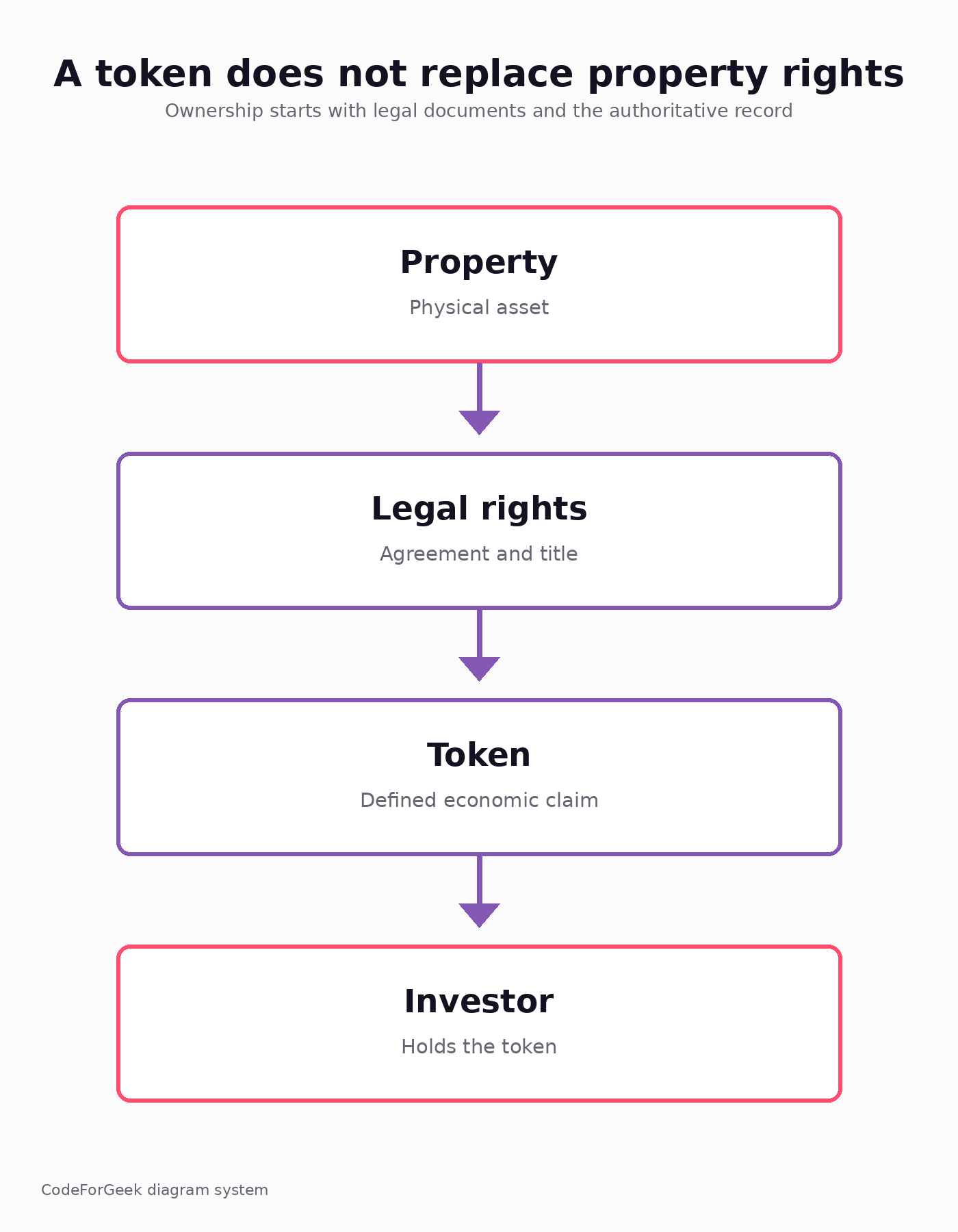
A distributed ledger can record transaction events, investor allocations, or payment instructions in a shared system. Smart contracts can release funds after a verified condition, but they do not replace a licensed escrow process, land registry, legal agreements, or identity checks.
Tokenization usually means that a token represents an interest defined by an issuer’s documents. That interest might be a share in a company that owns a property, a claim on income, or another contractual right. It is not automatically a deed to the underlying building.
Top blockchain property projects
These five entries do different jobs, so ask what right you receive and who recognizes it before comparing features.
1. Propy for title and escrow operations
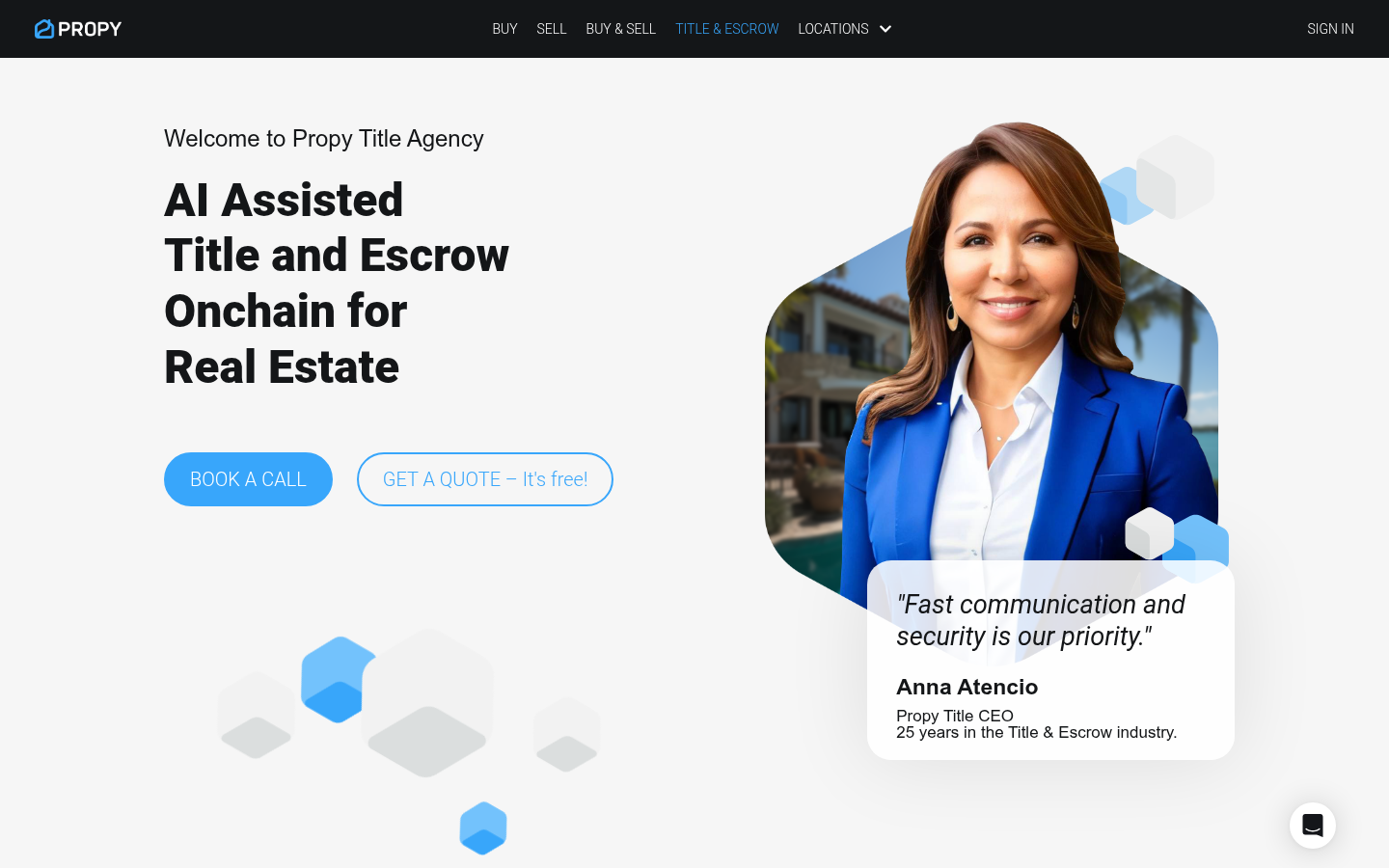
Propy presents title and escrow tools for property transactions. Its public product material focuses on opening escrow, transaction visibility, and title work, so it belongs in this list as closing infrastructure rather than a fractional-property marketplace.
A service can use blockchain in a closing workflow while the county or other competent authority still controls the official deed record.
2. A tokenized-property marketplace
This marketplace describes tokenized property and fractional participation in property-backed offerings. Its site states that the displayed information is not an offer or investment advice, and access can vary by residency and offering rules.
Read the issuer documents before treating a token as property ownership, including the asset-holding entity, token rights, distribution terms, fees, transfer restrictions, and governing jurisdiction.
3. Blocksquare for tokenization infrastructure
Blocksquare provides infrastructure for businesses that want to tokenize property and launch investment portals. Its public materials describe a protocol that can divide a single building into up to 100,000 tokens, which makes it issuer infrastructure rather than a recommendation to buy a particular building.
An issuer still needs a valid ownership structure, investor eligibility process, disclosures, custody plan, and a way to handle transfers or redemptions.
4. Securitize for regulated digital-asset issuance
Securitize offers digital-asset infrastructure aimed at broadening access to alternative investments and raising capital. It is not a property listing site, but it can support issuance, investor administration, and compliant distribution around a tokenized offering.
Compare the role first: property sponsor, marketplace, tokenization vendor, or regulated intermediary. Each carries a different responsibility when something goes wrong.
5. Dubai Land Department’s tokenization pilot
Dubai Land Department announced a tokenization pilot in March 2025. A government land authority belongs in this shortlist because legal recognition is a boundary that private projects cannot create on their own.
A pilot is not proof that every tokenized-property product has state-recognized title.
How to evaluate a blockchain property offering
Start with the legal asset, not the chain. Ask whether the token represents direct ownership, an equity interest in a special-purpose entity, a debt claim, or a contractual right to income.
- Identify the entity that owns the property and the documents that connect the token holder to that entity.
- Confirm the jurisdiction, investor eligibility rules, transfer restrictions, and the regulator or land authority involved.
- Check who controls private keys, investor records, property management, rent collection, and corporate decisions.
- Read the exit terms. A token may be transferable in software while there is no buyer, approved venue, or redemption obligation.
Fractional tokens can reduce the minimum allocation, but they do not create demand in a secondary market or guarantee a sale at a stated price.
Choose the project type before you compare features
Use Propy when your question is about a transaction workflow. Use a fractional marketplace when you want to examine a tokenized investment structure, Blocksquare or Securitize when you are assessing issuer infrastructure, and the Dubai pilot when you want to follow government-led registry work.
Before funding a tokenized-property offering, read its legal documents and identify the asset-owning entity, your enforceable rights, and the exit path. Blockchain can make records and workflows easier to audit, but those documents determine what you own.